Cameras now sell more iPhones than any other feature, and the gap between models has never been wider: some iPhones carry three 48MP lenses, others carry exactly one. With the iPhone 18 generation arriving in two waves — Pro and Air models expected in fall 2026, the standard model reportedly pushed to spring 2027 — the "just buy the newest one" rule no longer works. This guide compares the confirmed iPhone 17 lineup against everything credible reporting says about the iPhone 18 models, and names the best camera pick for each kind of photographer.
The Camera Contenders at a Glance
Here's how every relevant model stacks up for photography — confirmed specs for the iPhone 17 family, expectations from supply-chain reporting for the iPhone 18 family:
| iPhone 18 Pro (rumor) | iPhone 17 Pro / Pro Max | iPhone 17 | iPhone Air / 18 Air | |
|---|---|---|---|---|
| Status | Rumored, fall 2026 | On sale now | On sale now | On sale / rumored refresh |
| Rear cameras | Triple 48MP + variable aperture | Triple 48MP (main, ultra wide, telephoto) | Dual 48MP (main, ultra wide) | Single 48MP |
| Optical-quality zoom | Telephoto, possibly longer on Pro Max (rumor) | 4x (Pro), up to 8x (Pro Max) | 2x | 2x |
| Front camera | Expected 48MP-class | 48MP Center Stage | 48MP Center Stage | 48MP Center Stage |
| Low-light edge | Variable aperture (rumor) | Largest sensor, ProRAW pipeline | Good, less zoom reach | Weakest of the group |
| Price | ~$1,099+ (rumor) | From $1,099 | From $799 | From $999 |
| Best for | Waiting is optional | Serious photographers | Everyday shooters | Not photographers |
iPhone 17-series specs are confirmed Apple specifications. Everything in the iPhone 18 column comes from reporting by Bloomberg's Mark Gurman and analyst Ming-Chi Kuo — credible, but unconfirmed until Apple announces it.
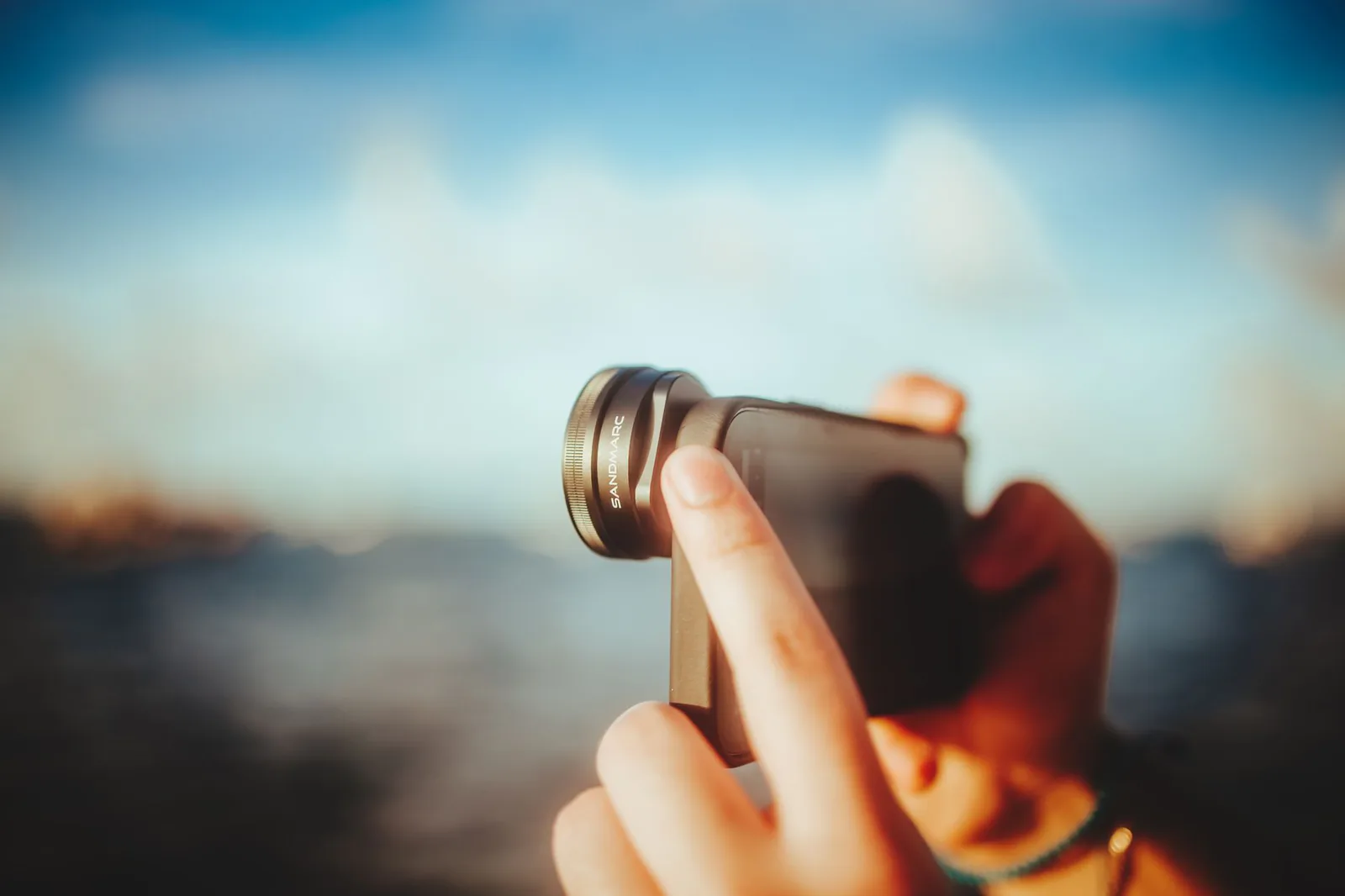
The Pro models carry the only true telephoto lenses in the lineup — the single biggest hardware difference between iPhone tiers for photographers.
Best Overall Today: iPhone 17 Pro and 17 Pro Max
The iPhone 17 Pro generation was the moment Apple's camera system stopped holding anything back, and it's the strongest photography phone you can buy right now:
- Three 48MP rear cameras — main, ultra wide, and telephoto all shoot at 48MP, which means full-resolution ProRAW files from every lens and clean 2x crops from each.
- Real zoom reach — the Pro offers 4x optical-quality telephoto; the Pro Max extends to 8x (200mm equivalent), the longest reach ever in an iPhone and genuinely usable for wildlife, sports, and stage shots.
- 48MP Center Stage front camera — the first front camera to match the rear system's resolution, with automatic framing for groups and horizontal video in any orientation.
- ProRAW, Apple Log 2, and Genlock — the full professional capture pipeline, plus a vapor-chamber cooling system that keeps sustained video recording stable.
Who it's for: anyone whose photos matter — travelers, parents, content creators, and working photographers who want a pocket camera. The Pro Max is worth the extra money specifically for the 8x zoom.
Skip it if: you're on a budget — the standard iPhone 17 covers 90% of this for $300 less (see below).
Waiting for the iPhone 18 Pro? Here's What Might Improve
The rumored iPhone 18 Pro, expected at Apple's fall 2026 event, targets the camera in two specific ways:
- Variable-aperture main lens — a lens that physically adjusts its opening for light. In practice: brighter, cleaner low-light shots at wide apertures and sharper daylight shots with more in focus at narrow apertures. This is the single most interesting camera rumor of the generation, and it's the kind of hardware upgrade software can't fake.
- Longer telephoto on the Pro Max — reporting points to even more zoom reach, continuing the trend from 5x to 8x.
- Under-display Face ID — not a camera feature per se, but it frees the display and reportedly lets Apple refine the front camera module.
Should photographers wait? Only if your current phone is fine for a few more months and the variable-aperture rumor is what you care about. Otherwise the iPhone 17 Pro is a proven, excellent camera phone available today — and first-generation hardware changes (like a new lens mechanism) sometimes need a generation to mature. Note also that Pro pricing may rise this generation due to chip and tariff costs.
Best Value: iPhone 17
The standard iPhone 17 is quietly one of the best camera-value stories Apple has ever sold:
- Dual 48MP Fusion cameras — a main and an ultra wide, both at 48MP, a huge step up from the 12MP systems base models carried for years.
- 2x optical-quality zoom — a crop from the main sensor, sharp enough for portraits and everyday shots, though nothing like the Pro's true telephoto.
- The same 48MP front camera as the Pro — selfies and video calls get the full-resolution treatment.
Who it's for: everyday shooters who want excellent photos of people, food, and trips without paying for zoom they won't use. If your camera roll is mostly portraits and group shots, save the $300.
Note for the iPhone 18: the standard iPhone 18 is rumored to keep a dual 48MP setup and arrive in spring 2027 — so waiting for it buys you almost nothing camera-wise over today's iPhone 17.
The One to Avoid for Photography: iPhone Air
Both Air models — the current iPhone Air and the rumored iPhone 18 Air expected this fall — share the same core compromise: a single 48MP rear camera. Apple's computational photography makes it a good single lens, with 2x optical-quality zoom, but there's no ultra wide, no true telephoto, and no hardware backup if the one lens struggles in low light.
If photography is even a medium priority for you, the Air's thinness doesn't justify what it costs you in flexibility — and at ~$999, it costs more than the standard model while doing less for your camera roll. The Air is a design purchase, not a camera purchase.
What Actually Matters for iPhone Photography
Zoom is hardware, not software. The Pro's telephoto lenses capture detail that cropped shots from other models simply don't have. If you shoot kids' sports, wildlife, or concerts, this is the one spec worth paying for.
Low light favors big sensors and stable pipelines. The Pro models' larger main sensor and ProRAW processing deliver the cleanest night shots; Night mode narrows the gap on cheaper models but can't match it.
Portraits are solved everywhere. Every model in this comparison shoots excellent portraits thanks to computational depth — even the single-lens Air. Don't pay for portrait quality; pay for zoom and low light.
Video tracks the camera count. Multiple lenses mean smooth in-shot zooming and Apple Log 2 on the Pro — the reason the Pro line is the default choice for solo video creators.
Rumor Confidence: What to Trust in This Guide
- Confirmed (Apple): every iPhone 17-series spec in this article — camera counts, zoom levels, front camera, pricing.
- Most credible rumors: the iPhone 18 Pro and Air launching fall 2026, the A20 Pro chip, and the general direction of 48MP cameras across the lineup (Gurman / Kuo reporting).
- Plausible but uncertain: the variable-aperture lens, longer Pro Max zoom, every iPhone 18 price, and the spring 2027 standard-model timing.
The Bottom Line
For photographers, the decision tree is short. Buy the iPhone 17 Pro Max if zoom and low light matter and you want the best camera available today. Buy the iPhone 17 if you shoot everyday photos and want to keep $300. Wait for the iPhone 18 Pro only if the variable-aperture rumor is the feature you've been waiting for and your current phone can hold out. And whichever generation you shop, skip the Air — it's the worst camera-per-dollar iPhone Apple sells.